Bethenny Frankel's The Core: A Cautionary Tale for Luxury Dating Apps
·5 min read
Bethenny Frankel's The Core charges up to $1,200 annually but is reportedly struggling to attract subscribers
UK's Personal Matchmaking Alliance reports traditional matchmaking services grew 23% between 2022 and 2024, with fees ranging from £10,000 to £100,000+
Match Group's Tinder ARPU reached $18.47 in Q3 2024, up from $15.03 two years prior, driven by feature unbundling rather than luxury positioning
Tinder's ultra-premium Select tier, priced at $499/month, remains a marginal revenue contributor according to Match Group earnings disclosures
Bethenny Frankel's invite-only dating app The Core, launched late last year with annual memberships reportedly reaching $1,200, is struggling to attract subscribers, according to unnamed sources cited by the National Enquirer. The Reality TV personality's foray into premium matchmaking arrives at a moment when the dating industry is frantically testing new monetisation models, but early reports suggest the venture hasn't found product-market fit amongst affluent singles. The timing matters, as Match Group continues squeezing ARPU from its portfolio whilst Bumble leans into premium positioning to justify margin expansion.
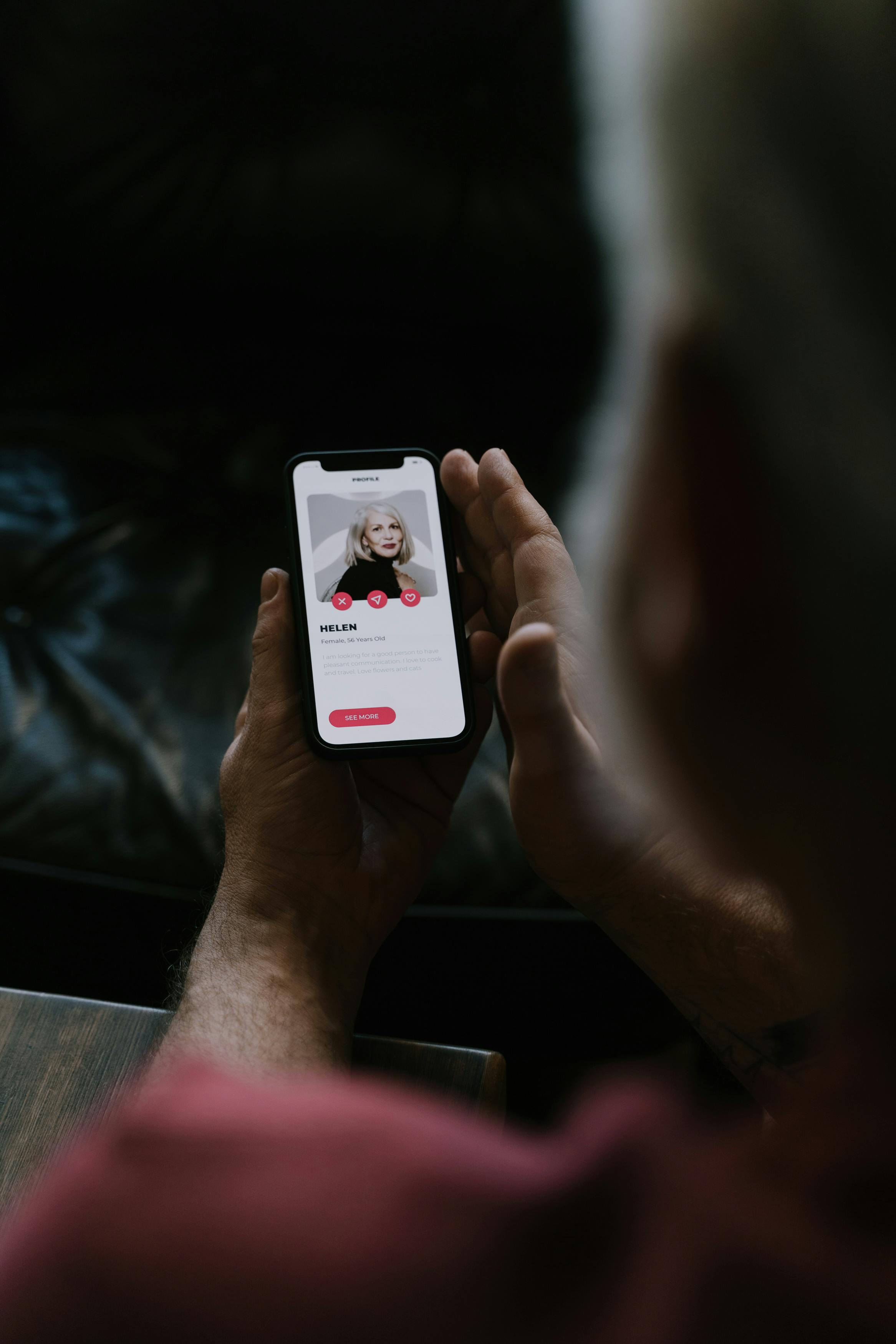
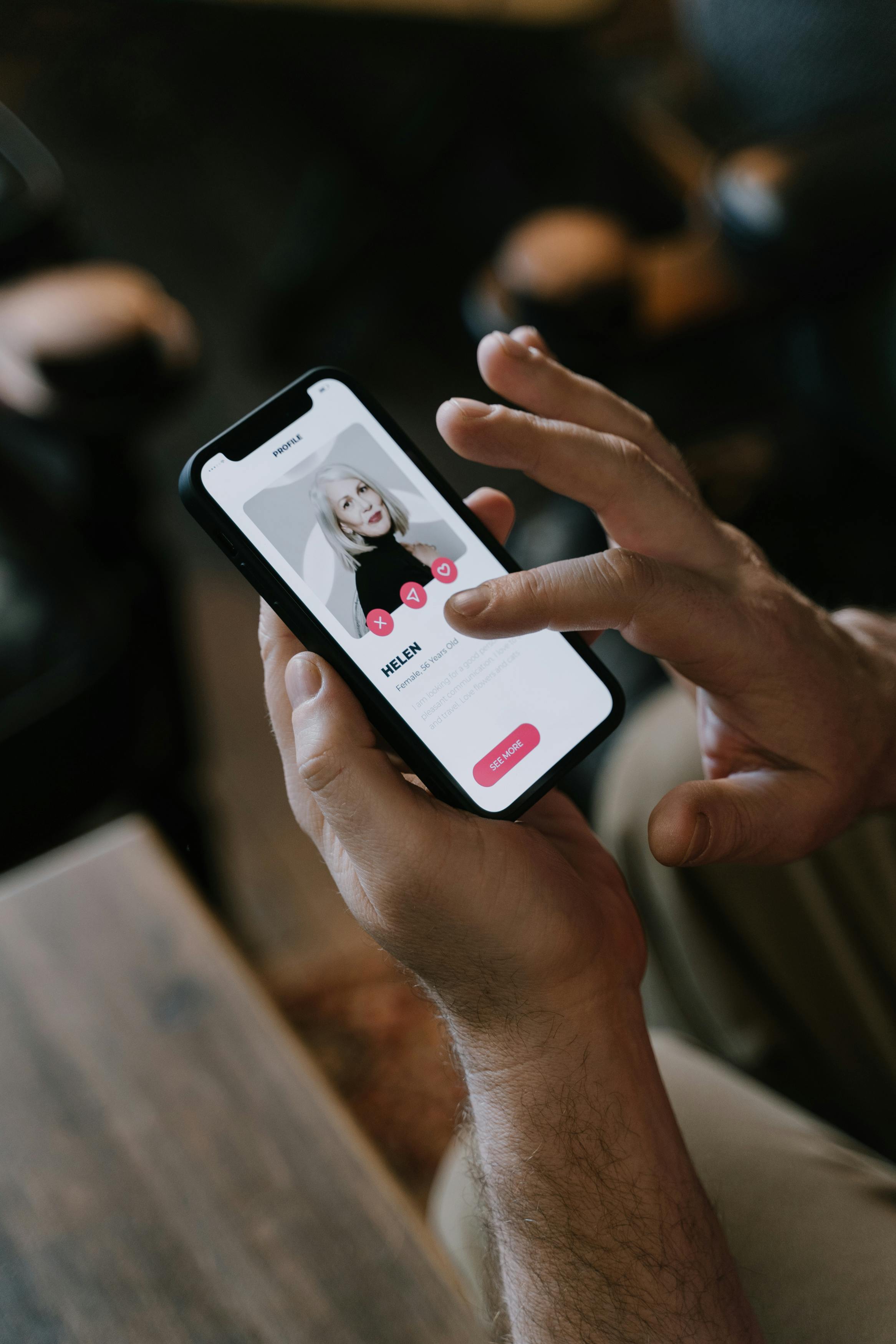
Luxury dating app concept on mobile device
The Premium App Paradox
The Core's reported difficulties aren't just about Bethenny Frankel's brand mismatch with aspirational luxury—they're an early warning signal about the structural challenges of the ultra-premium app model. True high-net-worth individuals have access to white-glove matchmaking services that charge £50,000+ and deliver curated introductions; they're not downloading apps. Meanwhile, the affluent-but-not-ultra-wealthy cohort The Core appears to target already has access to Raya, The League, and Hinge's premium tiers.
The brand equity simply isn't there to command four-figure annual fees for what remains, fundamentally, a swipe-based discovery experience. Celebrity backing doesn't override product logic.
But The Core's apparent struggles raise an uncomfortable question for operators eyeing the luxury segment: is there actually a viable business between mass-market apps at £15-30/month and bespoke matchmaking services charging five and six figures annually? The evidence suggests that gap may be unbridgeable through apps alone.
Enjoying this article?
Join DII Weekly — the dating industry briefing, delivered free.
The Luxury App Graveyard Is Getting Crowded
The premium dating app segment has produced more casualties than success stories. Inner Circle, once positioned as Europe's answer to exclusive matchmaking, pivoted away from its velvet-rope model after failing to achieve meaningful scale. The League, which launched in 2015 with aggressive vetting and waitlists, has never disclosed subscriber numbers that would suggest breakout growth.
Even Tinder's ultra-premium Select tier, priced at $499/month and rolled out in 2023, remains a marginal revenue contributor according to Match Group's earnings disclosures. Raya stands as the category's sole unambiguous winner, but its success hinges on network effects that took nearly a decade to build. The app's value proposition isn't the app itself—it's access to a genuinely rarefied community of celebrities, creatives, and executives.
Professional woman using premium dating service
That can't be manufactured through pricing alone, and certainly not through celebrity endorsement from a reality television personality whose brand centres on accessibility and relatability rather than exclusivity. The comparison to traditional matchmaking services is instructive.
Traditional Matchmaking Thrives Where Apps Struggle
Firms like Seventy Thirty, Sara Eden, and Berkeley International charge between £10,000 and £100,000+ for bespoke introductions, and continue to report strong demand amongst high-net-worth individuals. According to figures from the UK's Personal Matchmaking Alliance, the sector grew 23% between 2022 and 2024. These services succeed because they offer something fundamentally different from apps: human curation, active management, and complete discretion.
A £1,000 app subscription offers none of those advantages whilst still carrying the stigma of "trying too hard" that undermines the exclusivity promise.
Celebrity Backing as Product Strategy Remains Unproven
Frankel's involvement in The Core reflects a broader trend of celebrities launching or endorsing dating platforms, but the track record is decidedly mixed. Bumble's Whitney Wolfe Herd succeeded not because she was a celebrity, but because she was a dating industry veteran with a clear product thesis and operational capability. Hinge's positioning around "designed to be deleted" came from product insight, not influencer attachment.
The Core appears to reverse that logic—it's a celebrity-first venture attempting to find product-market fit retroactively. Frankel built her equity through Skinnygirl and Real Housewives by being relatable, scrappy, and accessible. Premium matchmaking demands the opposite: aspiration, restraint, and genuine exclusivity.
Couple meeting through exclusive matchmaking service
What's notable is how little information has been disclosed about The Core's actual product. Is the experience meaningfully differentiated from existing premium apps? What does the curation process entail? Frankel describes The Core as a "society of intention" that rejects typical app behaviors like ghosting and breadcrumbing, but aspirational positioning alone doesn't constitute product differentiation.
What This Means for Premium Monetisation Strategies
For dating operators watching this space, The Core's reported struggles offer a clear lesson: premium pricing requires premium product delivery, and brand alone won't bridge that gap. Match Group has succeeded in driving ARPU growth not through ultra-premium standalone apps, but through layered monetisation within established platforms. Tinder's Select tier and Hinge's tiered subscriptions work because they add features to networks users already value.
The gap between £30/month premium subscriptions and £50,000 bespoke matchmaking likely isn't bridgeable through apps alone. High-net-worth individuals seeking serious relationships have access to discreet, white-glove services with proven track records. Affluent singles willing to pay hundreds—but not tens of thousands—already have options in Raya, The League's premium tier, and Match Group's portfolio.
That doesn't mean ultra-premium features can't drive revenue. But they need to be embedded within platforms that have already achieved critical mass and demonstrated value. Bolt-on exclusivity—VIP access, enhanced visibility, executive matchmaking within existing apps—offers a path to ARPU expansion without the cold-start problem that plagues standalone luxury apps.
The broader question for the industry is whether the pursuit of ever-higher ARPU through premium tiers has reached its natural limit. Match Group disclosed in Q3 2024 that Tinder's average revenue per paying user reached $18.47, up from $15.03 two years prior. That growth came primarily from feature unbundling and tiered subscriptions, not luxury positioning. For most operators, the monetisation opportunity remains in the middle market, not at the top end where product expectations exceed what apps can realistically deliver.
The viable monetisation gap exists in the middle market through feature unbundling and tiered subscriptions within established platforms, not standalone ultra-premium apps that face insurmountable cold-start problems
Watch for operators to abandon standalone luxury app launches in favour of bolt-on premium features—VIP access, enhanced visibility, executive matchmaking—within existing networks that have already achieved critical mass
The structural divide between £30/month app subscriptions and £50,000+ bespoke matchmaking services appears unbridgeable, suggesting the ultra-premium app model may be fundamentally flawed rather than merely poorly executed